
In Sharjah, a community iftar becomes a second home for workers far from family
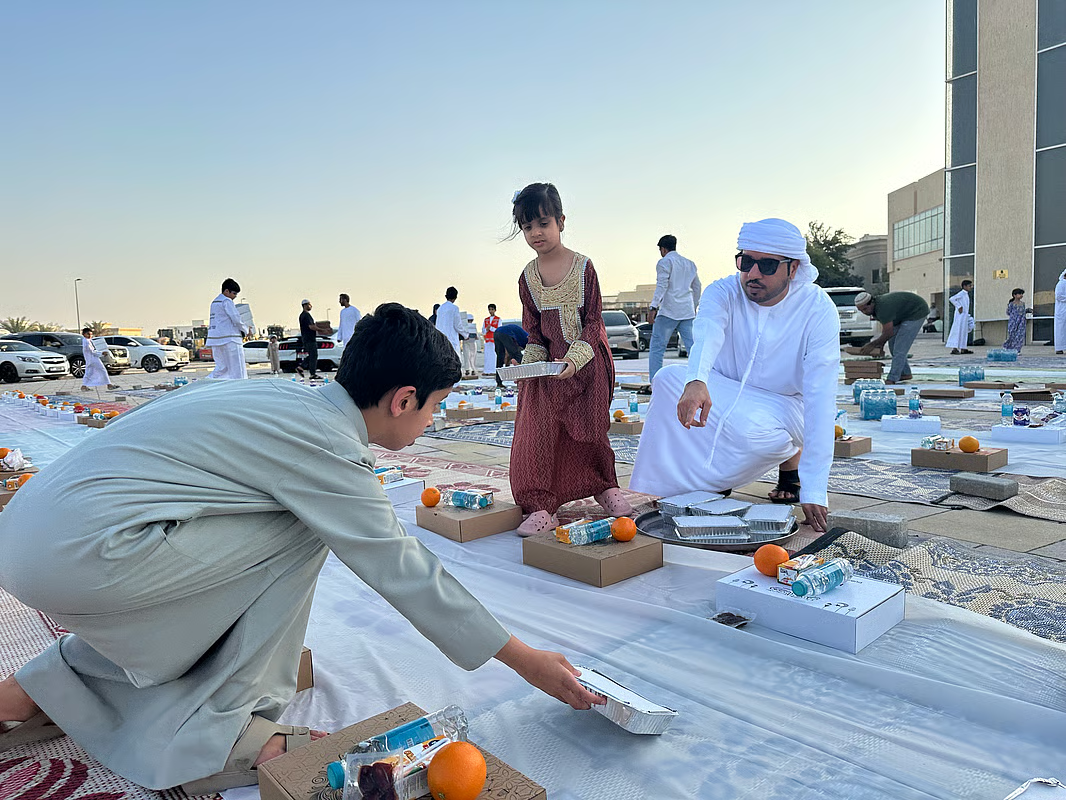
Every evening during Ramadan, the open grounds of a mosque in Sharjah’s Al Suyoh suburb turn into a busy shared dining space. Emirati families from the neighbourhood prepare and serve iftar to more than 500 people a day. Many are workers living far from their loved ones. They come for a warm meal, but also for a sense of welcome that feels like home.
A neighbourhood effort that keeps growing
The initiative is now in its fourth year. It started as a small local effort and expanded season after season. Yet the idea has stayed the same. Residents of Al Suyoh organise it, fund it, and run it together.
Each evening follows a clear routine. Volunteers prepare food, arrange seating, and hand out meals before the call to prayer. The aim is straightforward: feed people in need and make sure everyone feels included.
Sharjah community iftar serves more than 500 people daily
The main beneficiaries are workers and other people facing hardship. Many are separated from family during Ramadan. For them, the gathering offers more than food. It creates a shared space where people can sit together, talk, and break their fast with dignity.
Hassan, a Bangladeshi worker who has been praying at a nearby mosque for three years, said he attends every day during Ramadan. He described the iftar as especially meaningful for workers who are far from their families.
Children take the lead, and volunteering becomes a lesson
This year, the initiative gained an official boost through a partnership with the Sharjah Volunteer Centre. The centre now awards volunteer hours to children who help organise and serve the meals.
Ali Abdullah Ali Al Yasi, one of the organisers, reflected on how far the project has come. He said the initiative remains driven by Al Suyoh residents, but the number of families and volunteers is rising. He also noted that young volunteers now outnumber adults.
Al Yasi said the goal goes beyond serving food. He wants children to grow up with a strong sense of service. He encourages fathers to bring their sons and daughters so they can learn gratitude and understand the value of giving back.
A warm routine for families who volunteer
The evening has its own rhythm for volunteers too. After serving the main gathering, families set up a separate area where they break their fast together. Fathers and children eat side by side, often surrounded by friends from school and the neighbourhood.
Al Yasi said many children enjoy coming to see classmates and take part in a shared tradition.
Young volunteers say they feel the impact
Twelve-year-old Mayed Ali Al Yasi has been volunteering with his father for the past three years. He said he feels happy to come, earn spiritual reward, and count how many people the group is serving.
Another resident, Rashed Al Nuaimi, said he brings his children each year to help them learn the customs of earlier generations and understand the value of doing good.
Bodour Ibrahim Al Mazmi, who has participated since the initiative began, described it as a positive way to support others. She said she even encouraged a friend to join her this year.
As volunteer numbers and daily attendance continue to rise, the Al Suyoh iftar stands out as a clear example of community solidarity during Ramadan in the UAE. It feeds hundreds each night. Just as importantly, it brings people together, especially those who might otherwise spend the evening alone.