
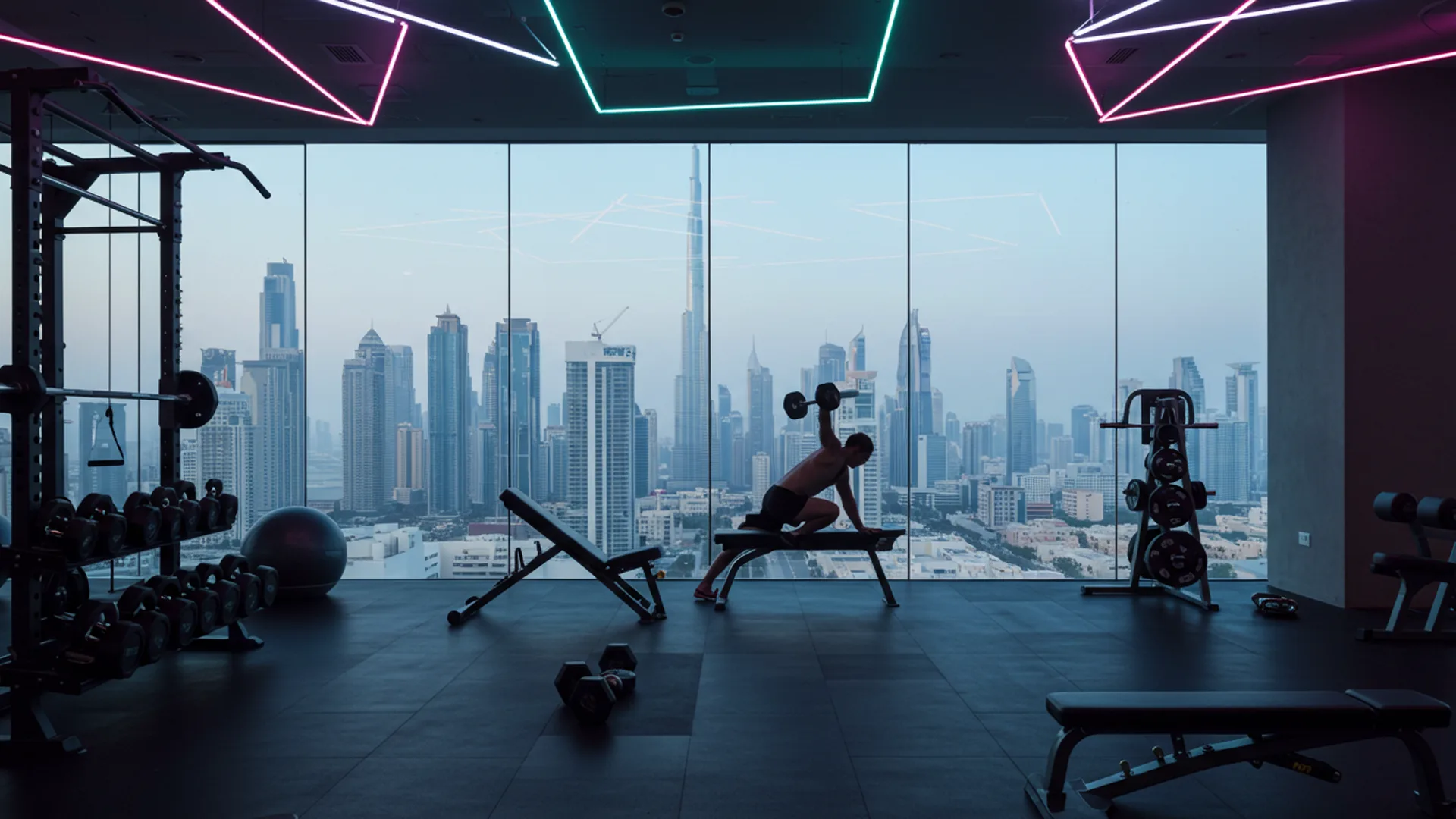
Wellness and Fitness Markets Continue to Grow Across Major Emirati Cities
The UAE enters spring 2026 with a robust wellness economy and fuller studios. New surveys, record-setting mass events, and fresh club openings point to sustained demand in Dubai and Abu Dhabi. Operators report higher bookings, while retail and hospitality lean into health-led concepts. The sector now spans gyms, boutique studios, spas, athleisure, and community activations—feeding a virtuous cycle of participation and spend.
What the numbers say right now
The Global Wellness Institute estimates the UAE’s wellness economy at $34.1 billion, the largest in the Middle East, after a 58% expansion between 2019 and 2023. Fitness participation also moved higher in 2025, with operators reporting stronger spending and broader offerings beyond memberships. Together, these trends set a solid base for 2026.
In Dubai, the city’s flagship Dubai Fitness Challenge closed 2025 with more than three million participants and a record 307,000 runners in Dubai Run, underscoring deep community engagement. Mass indoor programming kept momentum through summer via the month-long “Mallathon.” These events grow the pipeline for gyms and studios once the weather cools.
UAE wellness market: demand drivers and new habits
Consumers are booking more classes and treatments. ClassPass reported double-digit global growth in both fitness and wellness reservations in 2025, a pattern mirrored by UAE partners as hybrid work and flexible schedules lift off-peak usage. Wearable adoption adds another push; analysts expect the UAE fitness-tracker market to grow at double-digit rates through 2030, encouraging daily activity streaks and data-led coaching.
Retail is shifting too. Malls and luxury districts now integrate spas, recovery studios, and healthy dining. JLL highlights the rise of “experiential wellness” in premium retail—think cold-plunge zones beside skincare bars, or social fitness fused with F&B. This blend turns footfall into recurring wellness spend.
Supply expands: gyms, studios, and formats
Operators are adding capacity across price points. Low-cost and mid-market chains plan new sites, while boutique studios widen formats from Pilates to recovery. One major entrant, PureGym, mapped more than 20 UAE locations as part of a broader MENA rollout, signaling confidence in long-term demand. Local research also shows a growing share of residents increasing fitness spend year on year.
Cities leading the charge
Dubai benefits from a dense calendar and transit-friendly districts. Outdoor seasons anchor participation, then indoor programs sustain it through summer. In Abu Dhabi, mega-events and waterfront development support family-focused activity and club pipelines. Record crowds at the 2025 Abu Dhabi Grand Prix also showcased the emirate’s event infrastructure, which often pairs with wellness activations and community runs.
Business implications for 2026
Three shifts stand out. First, diversified revenue: operators rely less on base memberships and more on retail, events, and digital bookings. Second, corporate wellness: HR teams buy class credits and recovery sessions to support retention. Third, data-led loyalty: wearables and booking apps reward streaks and referrals, lifting utilization across the week. These levers improve margins even if headline growth moderates.
Practical signals to watch
Track four indicators this quarter: participation in city-wide challenges; new-site announcements by national and international gym brands; mall-based wellness pop-ups; and entry-level wearables sales. Rising readings across these metrics usually precede stronger studio occupancy and spa bookings. For now, the signals point one way: steady expansion of the UAE’s wellness and fitness footprint in 2026.