UAE Policy Priorities in Focus as World Governments Summit Sets Regional Agenda

The World Governments Summit opened in Dubai on 3–5 February with the UAE putting clear markers on technology, climate, growth, and regional stability. Officials framed artificial intelligence, net-zero delivery, economic diversification, and de-escalation in the Middle East as near-term action items rather than distant goals. The message: keep reform practical, measurable, and coordinated across borders.
What the summit is convening to do
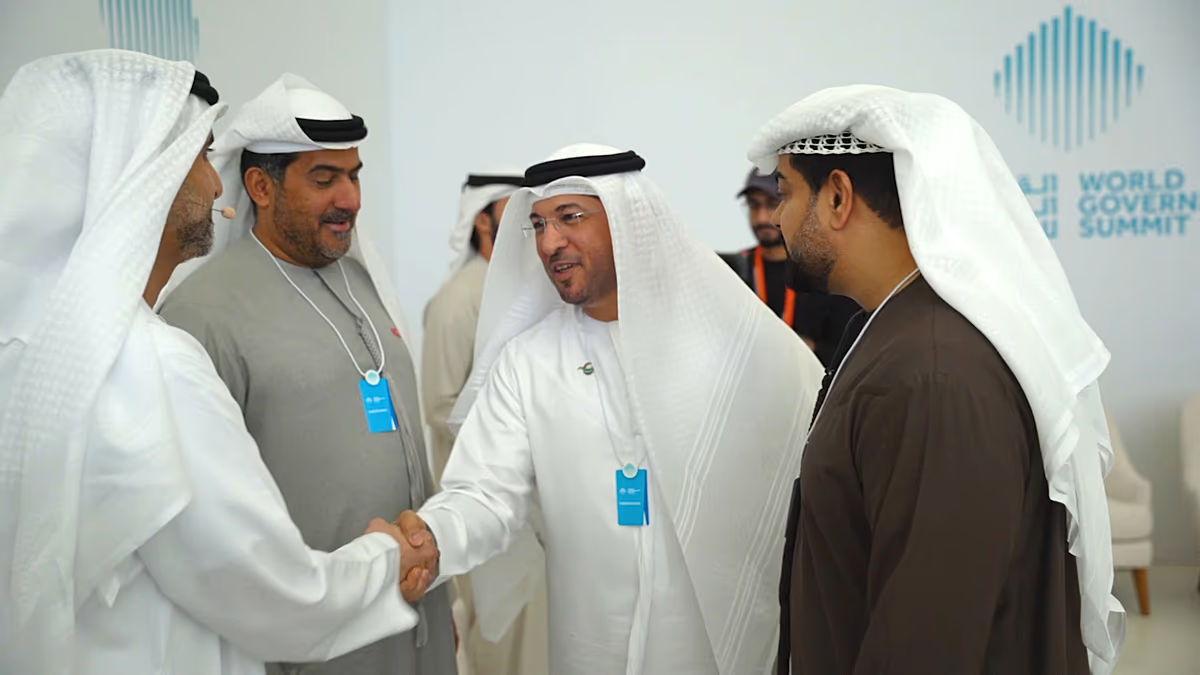
This year’s gathering brings government leaders, international organizations, and private-sector partners to shape policies for the next decade. The official program highlights five clusters: governance and leadership, social well-being, economic prosperity, urban futures, and emerging frontiers. Plenary and side sessions convert these themes into roadmaps and joint studies.
“World Governments Summit” is an annual policy forum hosted by the UAE. It focuses on solutions and toolkits for public services, rather than ceremonial speeches.
De-escalation first, growth next
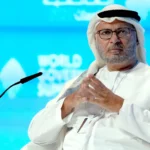
On opening day, senior UAE adviser Anwar Gargash urged restraint as Iran–US talks were being prepared. He called for direct negotiations to lower the risk of a broader confrontation that could disrupt trade and energy routes. Reduced tensions would support investment and the UAE’s planning cycle.
Regional stability is an economic issue as much as a diplomatic one. Markets and logistics respond quickly to risk signals, which is why security dialogue features on a governance agenda.
AI as a state capability
The UAE is treating artificial intelligence as core infrastructure. Its National AI Strategy 2031 aims to embed AI across health, education, mobility, energy, and public services, with a mandate to build skills, data centers, and enabling laws. Summit sessions echo that push, focusing on responsible deployment and social impact.
Recent projects add momentum. Abu Dhabi’s planned 5-gigawatt “Stargate” AI campus begins phased operations in 2026, anchoring compute capacity for public and private users. Wider export clearances for advanced chips also support the region’s AI build-out.
A short definition helps: “compute” refers to the data-center processing power that trains and runs AI models; it is now a key input like electricity or water.
Climate delivery after COP28
Net Zero 2050 remains a national anchor. The UAE’s long-term strategy and sector roadmaps—energy and heavy industry in particular—set timelines to cut emissions while growing the economy. The industrial decarbonization plan targets deep reductions through cleaner power, efficiency, and new technology. Summit dialogues connect these plans to finance and reporting.
“Net zero” means balancing any remaining greenhouse-gas emissions with removals or offsets so that total emissions equal zero.
Economic playbook: beyond oil, bigger exports
Under “We the UAE 2031”, the government aims to raise GDP, expand non-oil exports, and grow tourism and trade. Policy tracks include proactive regulation for new sectors, investment in skills, and open-market partnerships. At the summit, these targets frame talks on competitiveness, capital flows, and start-up ecosystems.
Trade and technology outreach is not limited to the Gulf. Recent UAE initiatives have directed AI investment and development partnerships toward Africa, linking digital infrastructure with human-capital programs.
Cities, services, and the social contract
Urban expansion features prominently. Sessions examine housing, mobility, and digital identity as levers to sustain liveability in fast-growing cities. The UAE positions “digital government” as a service standard, with integrated platforms for permits, health, and education. The goal is a simpler user journey for residents and businesses.
“Digital identity” is a secure online credential that lets residents access government and financial services without face-to-face checks.
Global coordination from Dubai
Multilateral partners use the summit to launch reports and ministerial surveys that track progress. The UAE’s convening power helps align donors, regulators, and industry on shared baselines for AI governance, climate metrics, and service delivery. This coordination reduces duplication and speeds implementation.
UAE policy priorities: what to watch next
Three signals matter in the weeks after the summit. First, follow-up on de-escalation channels and any maritime risk-reduction steps that support trade routes. Second, concrete AI actions: compute build-outs, model-safety guidelines, and talent programs tied to the National AI Strategy. Third, climate delivery: sector-level milestones under the Net Zero 2050 pathway and the industry roadmap announced after COP28. Collectively, these moves map how Dubai’s forum turns speeches into policy.
The UAE enters this summit cycle with a clear checklist: keep the region stable, scale AI responsibly, hit net-zero milestones, and expand non-oil growth. The agenda set in Dubai signals continuity with a bias for execution—near-term projects, clear metrics, and partnerships that deliver at speed.