
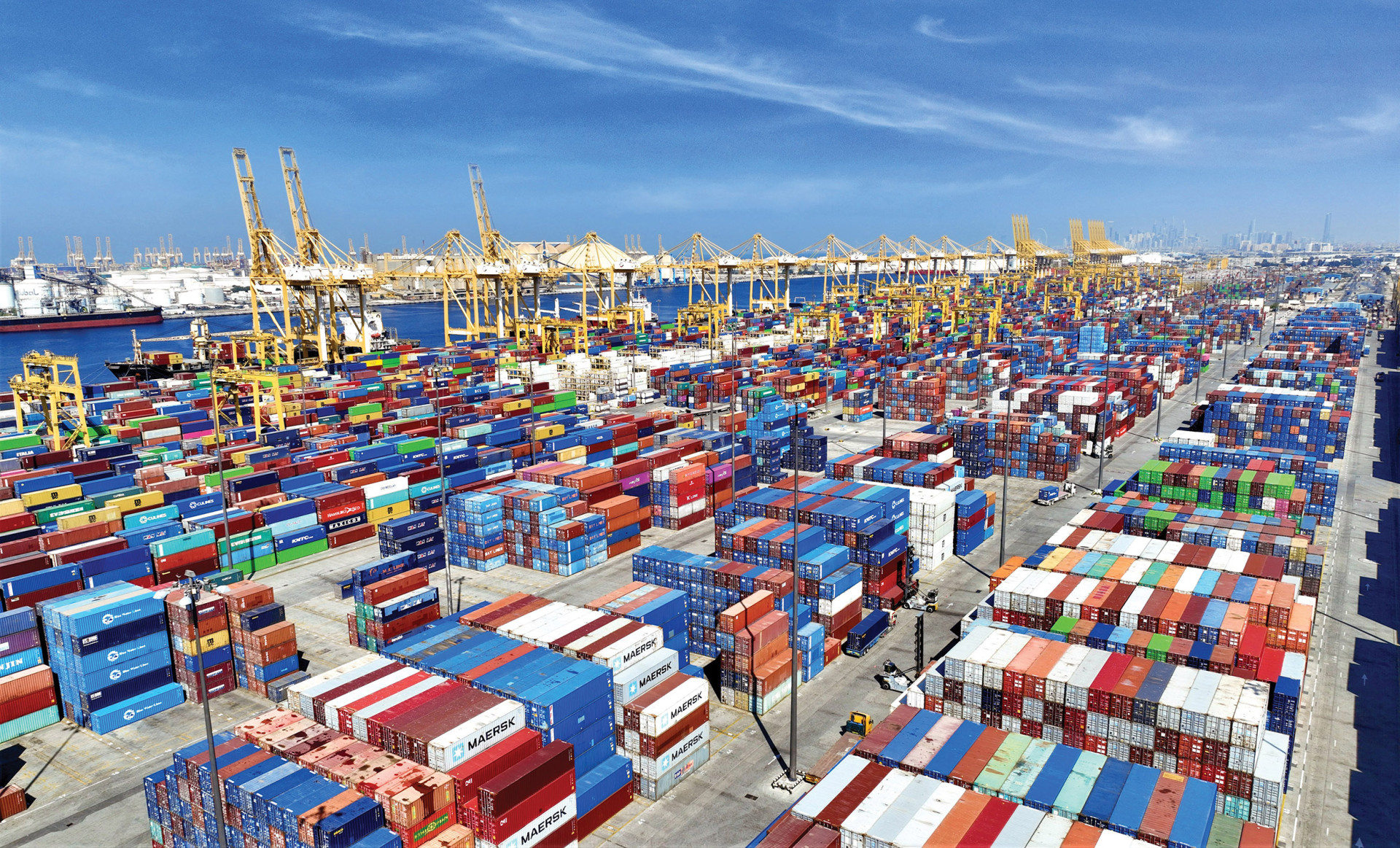
Global Markets Watch Dubai as Oil Prices and Shipping Risks Shape Economic Outlook
Investors are tracking Dubai as oil prices swing and shipping risks linger. Energy benchmarks eased after a sharp drop, then inched higher, while carriers weighed escorted transits in the Red Sea. Local equities firmed on selective gains, yet volatility stayed elevated as traders parsed earnings, freight costs, and policy signals.
Oil’s pulse sets the tone
Brent crude recovered modestly after a 4% slide, with traders balancing supply returns and diplomatic signals. Price action fed through to Gulf risk appetite, a pattern seen across recent sessions. Brent is the global oil benchmark used for pricing much of the world’s crude.
Moves in crude still hinge on logistics and geopolitics. OPEC+ output guidance and any disruption premium remain in focus as markets test support near recent lows.
Shipping routes in flux
Select liners plan to resume limited Red Sea passages under naval escorts. That step could shorten voyages and ease costs, though operators remain cautious. Any durable reopening would filter into freight rates and insurance premia.
Oil transport costs have stayed firm into 2026 as older fleets and sanctions constraints limit capacity. Time-charter rates—fixed daily prices to hire vessels—reflect that tightness and keep delivered crude values sensitive to route choices.
Global Markets Dubai: how the link works
Dubai’s equities often mirror oil and freight swings through earnings, liquidity, and tourism flows. The Dubai Financial Market has shown resilience when crude steadies and shipping bottlenecks ease. Recent sessions saw Dubai and Abu Dhabi gain on selective large caps, even as energy stayed choppy.
Port and logistics sentiment also matters. Management at DP World has previously noted how easing Red Sea risk could pull freight prices lower, a tailwind for trade-dependent sectors.
Inflation, banks, and policy anchors
The Central Bank of the UAE projects UAE inflation at 1.8% in 2026, after softer transport and food prices helped cool 2025. Lower freight stress would support that path; sustained rerouting would do the opposite. In economics, a “risk premium” is the extra return investors demand for uncertainty, and it can pass through to consumer prices via shipping.
Credit views remain stable across the region. S&P Global Ratings expects Middle East growth to edge up in 2026 despite oil volatility, helped by non-oil activity and reform momentum. Banking prospects in the UAE stay solid on healthy capital and expanding lending.
What traders in Dubai watch next
First, the pace of any escorted transits and insurers’ response. Second, the path of Brent as supply outages fade and diplomacy evolves. Third, local earnings guidance from logistics, real estate, retail, and banks. Recent Gulf trading shows oil-linked moves, with the UAE’s main indices rallying when crude firmed on supply risk and easing when prices softened.
The backdrop is constructive but not complacent. A gradual return to standard routes would lower costs for shippers and importers. However, persistent hazards would keep premiums high and cap risk appetite. For now, investors continue to price Dubai through the twin lenses of oil and sea lanes, with data points from tankers, terminals, and policy desks guiding every step.