
Abu Dhabi athletes embrace the Ramadan “golden hour”

Tracks and gyms across Abu Dhabi fill up in the final two hours before iftar. Fasting athletes call this pre-sunset window the “golden hour”. It offers mental relief at day’s end and immediate refuelling after effort. Iftar is the evening meal that breaks the fast; suhoor is the pre-dawn meal; Fajr is the dawn prayer.
Why the “golden hour” works
Coaches say this slot balances physiology and daily life. Energy is managed, focus is higher, and recovery starts fast. Runners finish, hydrate, and eat within minutes. That sequence limits muscle breakdown and keeps morale steady. For busy people juggling work, family and worship, the timing simply fits.
Communities adapt schedules for Ramadan
At adidas Runners Abu Dhabi, Ramadan plans have evolved since 2022. Captain Rohit Kumar said the group now runs two early-evening sessions to suit fasting runners and late workers. “Those fasting can run from 5–6 pm and still reach home for iftar,” he noted. Attendance has risen. Pre-iftar slots now draw 40–50 athletes across the two runs, while late-night options see lighter turnout.
Ramadan golden hour: the science behind the timing
Sixty to 90 minutes before iftar, athletes can push a controlled effort. They then replace water, protein and carbohydrates right away. This supports repair and reduces soreness. The mental boost matters too. The session turns the last hour of fasting into a focused task, not a drag.
Gyms see two daily peaks
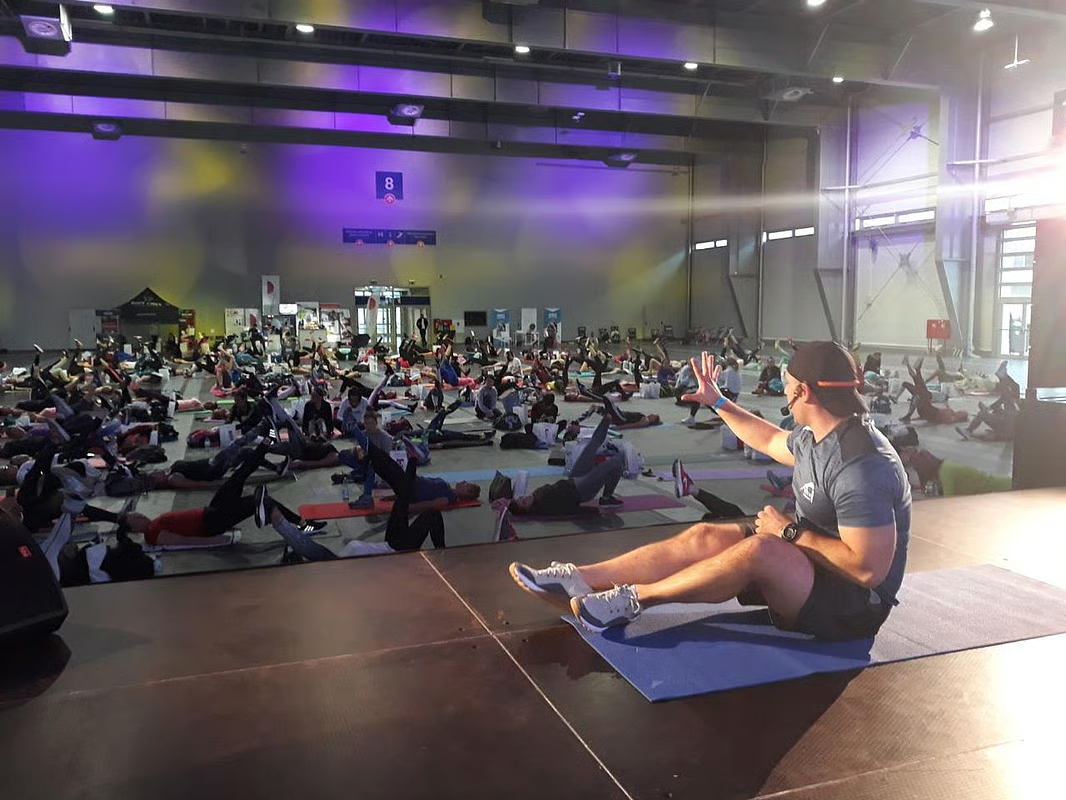
Inside studios, patterns look similar. Hybrid Studio Abu Dhabi general manager and endurance athlete Marcin Kiermasz sees packed rooms pre-iftar, and another surge one to three hours after. Programming adjusts accordingly. Before iftar it is aerobic work, movement quality and “engine” building. After iftar it shifts to strength and heavier sets.
Kiermasz explains the metabolic appeal. During a fast, insulin and glycogen sit lower, nudging the body toward fat use. For endurance and weight loss goals, a measured pre-iftar session can be efficient. Immediate hydration and food complete the recovery loop.
Coaches fine-tune intensity
Running coach Fares Al Sawi keeps pre-iftar work easy and short. Thirty to 45 minutes at conversational pace is his norm. He reserves hard intervals and longer efforts for after iftar, when fluids and fuel are restored.
The early-morning alternative
Some athletes try a post-Fajr block. They take a light suhoor, train one to two hours into the fasting day, then manage energy until sunset. Rohit Kumar calls it a “performance window” for those who can sleep well and plan. Kiermasz agrees it suits technique, mobility, or easy aerobic work if recovery is controlled. The risk is simple: poor sleep or going too hard. As Al Sawi notes, limited protein intake after a post-suhoor workout can make the day long for runners.
What it adds up to
Across disciplines, one idea holds: popularity does not equal ease. The golden hour thrives because it is efficient. Athletes moderate effort, finish near sunset, and recover immediately. That keeps training consistent throughout Ramadan while respecting the month’s rhythm and priorities.