
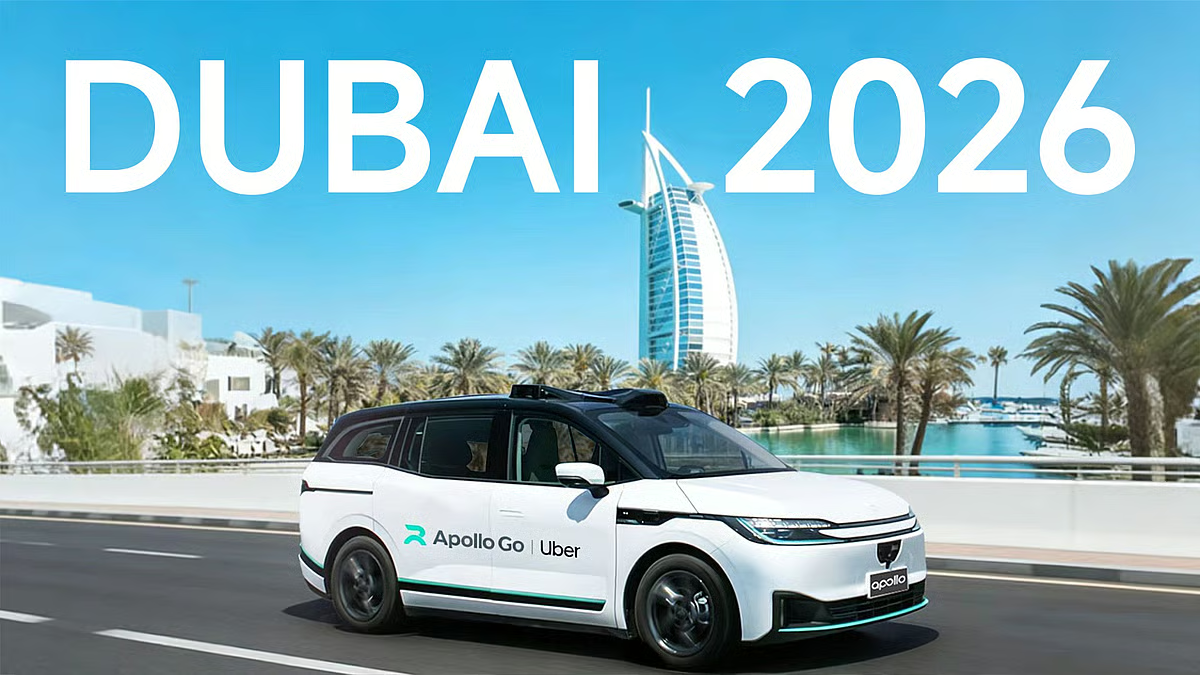
Dubai to launch driverless taxis on Uber in the coming month

Dubai residents may soon book fully driverless rides in the Uber app. Baidu’s Apollo Go service will appear first in select parts of Jumeirah, then expand citywide as operations mature and regulators approve new zones. The launch comes through a partnership between Baidu, Uber, and Dubai’s Roads and Transport Authority (RTA).
How the rollout will work
Within the service area, riders choosing UberX or Uber Comfort may be matched with an Apollo Go vehicle. An “Autonomous” option will also show in the app. Fleet operations will be run by third-party operator New Horizon. Expansion to other districts will follow “operational learnings” and regulatory sign-off, the companies said.
What “fully driverless” means in Dubai
“Fully driverless” indicates no safety driver on board. In January, Apollo Go secured Dubai’s first permit for testing without a human driver. Baidu also opened “Apollo Go Park,” its first overseas operations and management hub, to localise training, maintenance, and incident response. These steps set the base for commercial rides.
Why this matters for the 2030 target
Dubai aims for 25% of all trips to be autonomous by 2030. RTA’s self-driving strategy places robotaxis within a broader plan covering passenger and logistics services. Apollo Go’s Uber debut supports that policy by giving residents easy access through a familiar app.
Scale and record to date
According to the companies, Apollo Go has logged over 240 million autonomous kilometres, including more than 140 million in fully driverless mode. The service operates in 22 cities. Weekly rides have topped 250,000, with more than 17 million trips completed as of October 31, 2025. These figures indicate the size of the operating dataset that will inform Dubai deployment.
What riders should expect at launch
The first phase is limited to parts of Jumeirah. Routes, pickup points, and hours may adjust as the system scales. Wider coverage will depend on reliability, user demand, and regulator reviews. Reuters reports the launch window as “within the next month,” aligning with the companies’ guidance.
The bigger picture for Uber and Baidu
The Dubai launch is part of a global partnership first announced in mid-2025 to deploy Apollo Go outside the U.S. and mainland China. Uber’s strategy is to aggregate autonomous fleets on its platform and grow access in major cities. Recent announcements also include expansion plans for London.
Dubai’s move brings autonomous mobility into everyday use for more residents. If early performance holds, the city could accelerate toward its 2030 autonomy goal while giving riders a new, scalable option for urban trips.