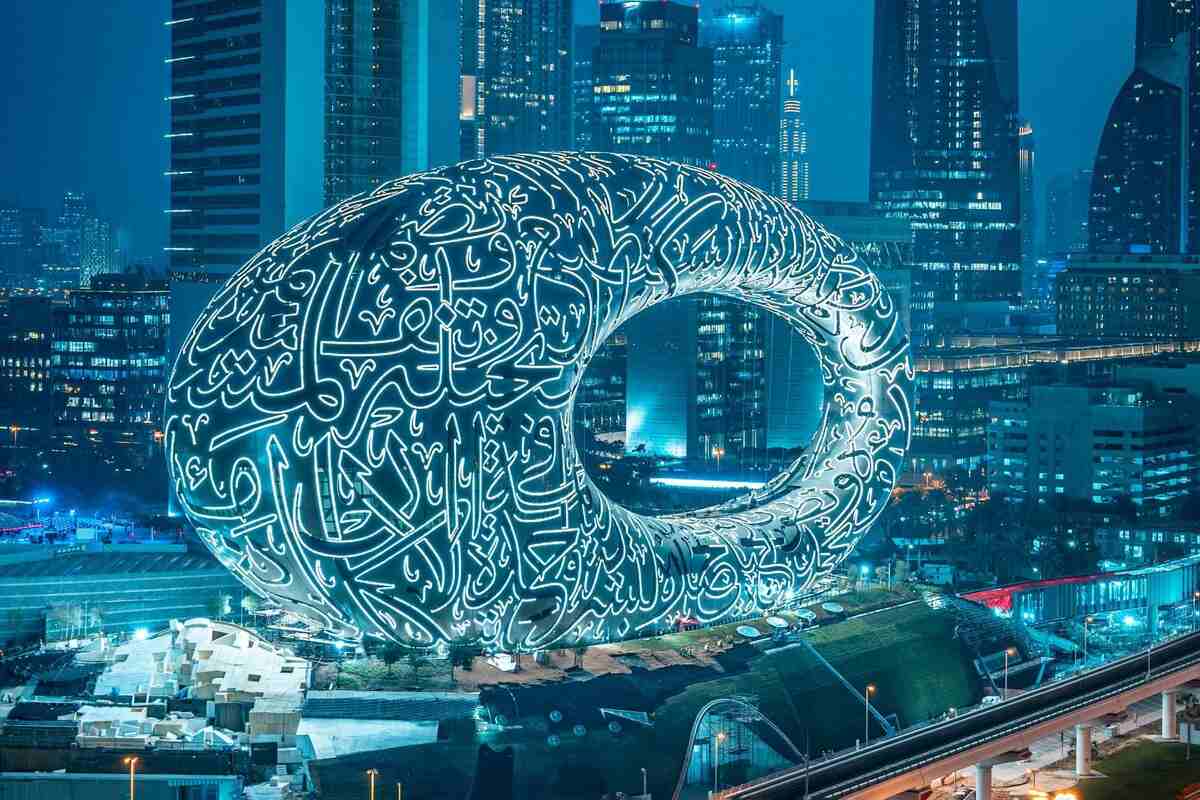
UAE Non-Oil Economy Shows Resilience Despite Global Growth Slowdown

The UAE begins February 2026 with steady non-oil momentum. Private-sector surveys, tourism flows, and solid bank conditions point to ongoing expansion, even as the global cycle cools. Policymakers see diversified growth as the main buffer, with services, construction, logistics, and tourism doing the heavy lifting. In data terms, “non-oil GDP” is output from all sectors other than hydrocarbons; it now anchors the medium-term outlook.
The signal from PMI and output
The S&P Global UAE Purchasing Managers’ Index averaged near the mid-50s in late 2025 and stayed in expansion in December, supported by new orders and rising output. A PMI reading above 50 indicates improving business conditions. The latest round shows robust activity into early 2026, despite cost pressures and tighter margins.
Meanwhile, official projections remain constructive. The Central Bank’s December review points to firm non-hydrocarbon growth through 2025–2026, helped by manufacturing, real estate, and services. External growth is slower, yet domestic drivers offset the drag.
Tourism and trade keep demand broad-based
Dubai welcomed 17.55 million overnight visitors in January–November 2025, up about 5% year on year. Strong city demand tends to support retail, F&B, and transport as spring approaches. This domestic cushion matters when global growth cools.
Global conditions still matter. IMF guidance this week highlighted disinflation and softer world demand, but not a collapse in trade. That backdrop helps UAE services plan around steadier pricing and travel flows.
Financing conditions and banks: a stable bridge
Ratings analysts expect UAE GDP to expand further in 2026, with non-oil sectors contributing strongly and banks entering the year with solid capitalization and profitability. That supports credit to SMEs and large projects, which helps sustain hiring and capex even if exports soften.
Policy anchors that support resilience
Policy plans emphasize execution. The Central Bank’s outlook pairs stronger oil output with continued non-oil gains, while federal and emirate strategies focus on logistics, tourism, advanced industry, and digital services. Clear investment pipelines help firms keep building even as global growth slows.
Risks—and how the UAE is positioned
Two risks stand out: weaker external demand and geopolitics affecting shipping costs. However, diversified demand at home, healthy tourism, and solid banking buffers reduce spillovers. PMI strength and firm visitor numbers offer near-term evidence that the non-oil base remains resilient. If world growth eases further, watch monthly PMI prints and tourism updates for the first signs of cooling.
The bottom line: despite a softer global backdrop, the UAE’s non-oil economy is holding its course. High-frequency indicators show steady expansion, while policy and finance keep projects moving. That combination supports jobs and investment as 2026 gets underway.