
UAE Calls for De-Escalation as Regional Tensions Remain High Ahead of Iran–US Talks

The United Arab Emirates urged restraint and fresh diplomacy as Iran and the United States prepared to reopen channels this week. Abu Dhabi’s message aims to lower the risk of miscalculation while talks are penciled in for Turkey, according to multiple briefings and media reports. The call lands amid a visible military buildup and anxious markets.
What the UAE is saying and why it matters
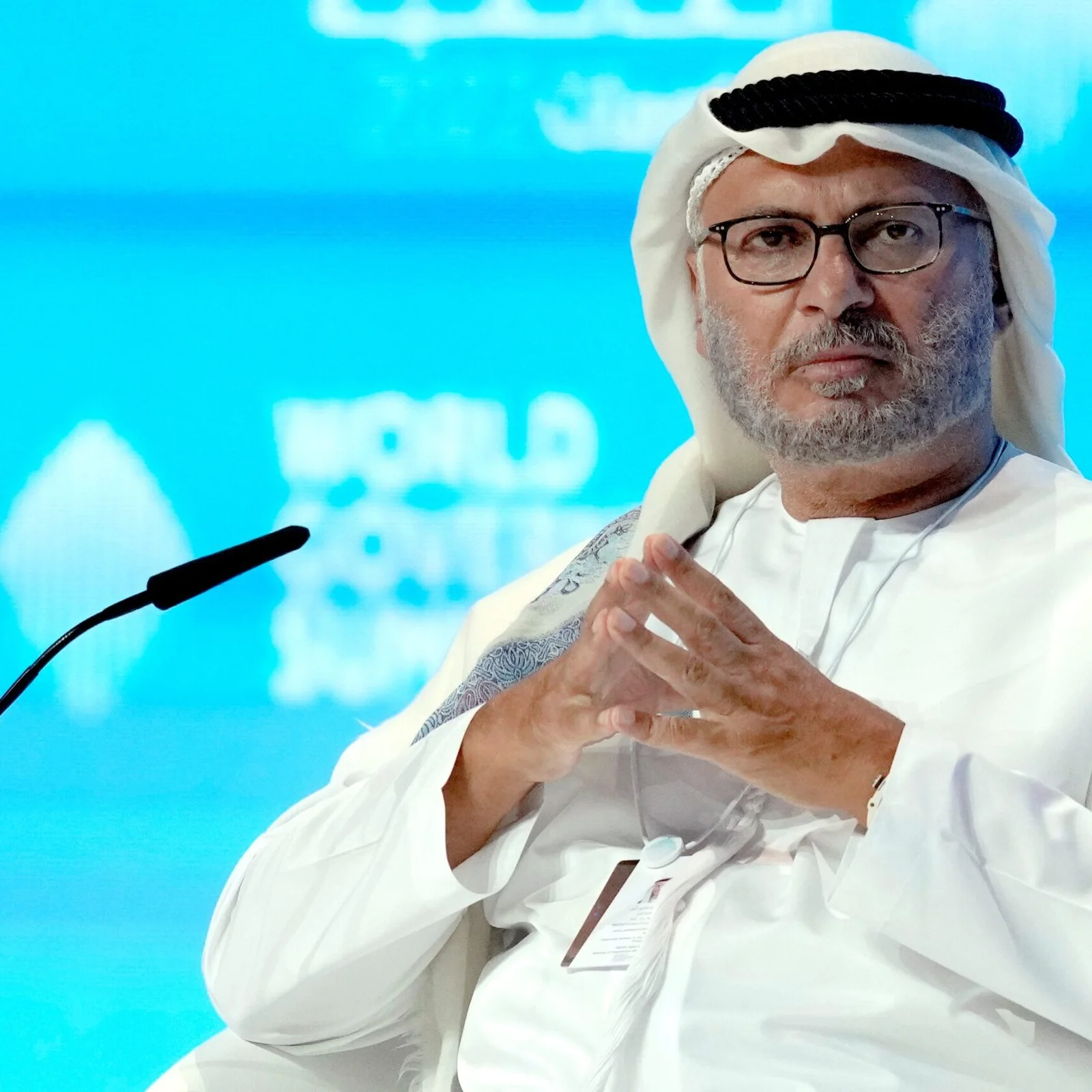
At the World Governments Summit in Dubai, Anwar Gargash said the region “does not need another war” and pressed for direct negotiations that deliver a nuclear and wider security understanding. He framed de-escalation as a prerequisite for stability and economic recovery across the Gulf. Such remarks signal continuity in Abu Dhabi’s pragmatic posture and its bid to act as a de-risking voice with all sides.
De-escalation, in diplomatic usage, means steps that reduce the likelihood or intensity of armed conflict. In practice, that can include open channels, confidence-building measures, and clear rules to avoid incidents at sea or in the air.
The talks taking shape
Officials indicated that meetings could take place in Turkey, with participation or facilitation by regional partners, including Saudi Arabia and Egypt. Reporting also points to involvement by senior U.S. and Iranian envoys focused on nuclear and regional files. The intent is to cap tensions and explore a structured path back to verifiable limits on Iran’s program.
Signals from Tehran and Washington
Tehran has publicly endorsed “fair and equitable negotiations,” aligning its rhetoric with calls to avoid a spiral. In parallel, Washington has kept pressure high while leaving room for a diplomatic track. These moves suggest both sides see value in testing talks even as red lines remain. Iran, however, maintains firm positions on missiles and regional influence, while the United States stresses limits and oversight.
A brief definition: the International Atomic Energy Agency (IAEA) is the U.N. nuclear watchdog that verifies civilian nuclear commitments. Its access terms often become the first test of any deal.
Policy backdrop in Abu Dhabi
On 26 January, the UAE Foreign Ministry reaffirmed that it will not allow its airspace, territory, or waters to be used for any hostile military action against Iran. That stance underlines a priority for non-involvement in strikes and for diplomatic off-ramps. The policy also complements Abu Dhabi’s outreach with regional capitals to keep channels open.
Markets and regional diplomacy watch
Gulf equities firmed on signs of dialogue and softer rhetoric. Investors typically reward lower risk premia when parties open talks, even if outcomes remain uncertain. Any sustained de-escalation could ease insurance costs, stabilize energy flows, and support tourism into the high season.
Meanwhile, regional diplomacy is active. Cairo and Riyadh echoed calls for restraint and political solutions. Such alignment adds weight to confidence-building efforts and raises the cost of brinkmanship for local actors. Turkey could provide a practical venue, given its ties across the divide.
What to watch next
First, whether both sides agree on a narrow agenda that halts further escalation while talks proceed. Second, if technical steps on nuclear transparency appear, even in provisional form. Third, how maritime and air incidents are handled in the Strait of Hormuz and nearby corridors. These early markers will show if the diplomatic track has real traction.
The UAE’s message is consistent: lower the temperature, talk directly, and lock in practical guardrails. As Iran–US contacts resume, the region watches for proof that words can translate into fewer risks on the ground and at sea.