Public Transport Usage Rises Across Dubai and Abu Dhabi Amid Urban Expansion

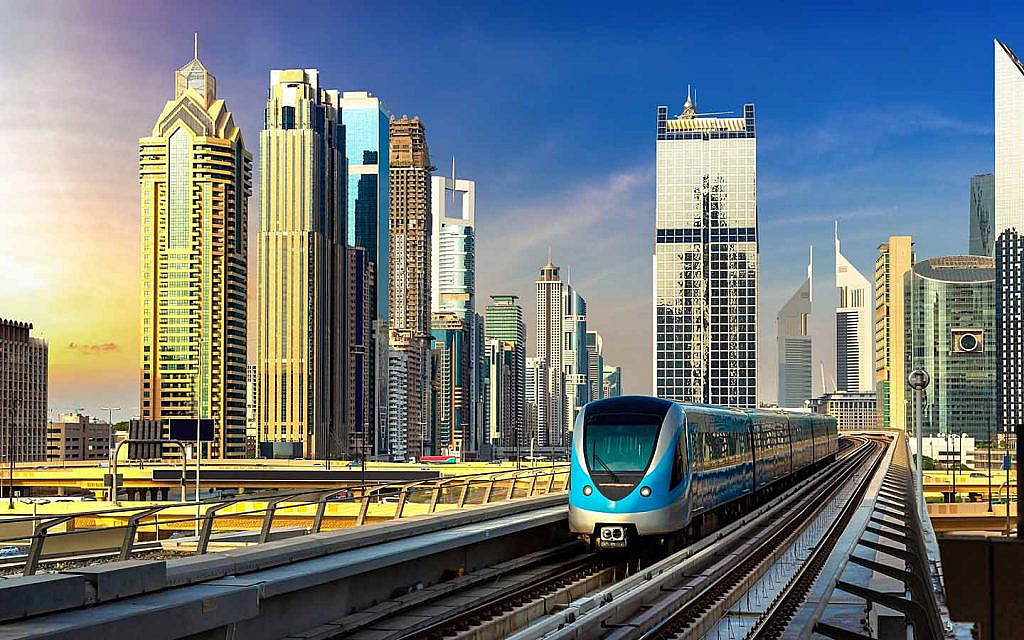
Ridership is climbing in the UAE’s two largest cities as networks grow and new corridors come online. Dubai recorded 395 million journeys across public transport and shared mobility in the first half of 2025, a 9% year-on-year rise. Metro alone carried about 143.9 million riders over the same period. Daily averages topped two million trips, underscoring how densifying districts and better interchanges are changing travel habits.
Dubai’s momentum: more riders, stronger corridors
RTA data show sustained gains across Metro, buses, tram, taxis, marine and e-hailing. BurJuman and Al Rigga emerged as the busiest stations in H1 2025, reflecting strong flows through mixed-use areas and legacy hubs. On New Year’s Eve 2025–26, the city moved more than two million people across modes in a single night, a stress test that highlighted capacity, crowd control, and headway management. “Headway” is the time gap between vehicles; shorter headways increase capacity on a line.
Urban expansion keeps feeding demand. New neighborhoods and destination clusters are now linked by upgraded bus routes and frequent Metro service. Policy signals also point to further capacity: authorities announced the immediate start of the first phase of the Dubai Loop, an underground high-speed corridor designed to add new city-center connections.
Abu Dhabi’s ridership gains and digital shift
Abu Dhabi reports higher patronage across buses, water transport and taxis as the city grows outward. The Department of Municipalities and Transport counted over 90 million public-bus rides in 2024 and more than 168,000 passengers on water transport. In parallel, the taxi network completed 99 million passenger trips in 2024, with 88% booked via smart platforms—evidence of a rapid digital transition that improves reliability and planning.
Abu Dhabi’s Surface Transport Master Plan targets a “world-class” multimodal system. It supports bus expansion, future metro options, and autonomous mobility pilots as new residential areas come online. These measures help spread demand beyond core districts and reduce car dependence over time.
Rail integration changes the map
A major inflection point arrives this year. Etihad Rail is slated to launch initial passenger services in 2026, linking Abu Dhabi, Dubai and Fujairah, with phased expansion to other emirates. Planned station design emphasizes interchange with local buses and metro, cutting door-to-door times and smoothing peak loads across the day. Faster intercity trips also reshape commuting patterns and tourism flows.
Why usage is rising—and what to watch next
Three forces stand out. First, population growth and new housing clusters extend demand into emerging corridors. Second, service quality has improved through higher frequencies, real-time information, and integrated ticketing. Third, big-ticket links—from the Dubai Loop to Etihad Rail—promise shorter journeys and better last-mile options. In transport analysis, “modal share” is each mode’s percentage of all trips; Dubai’s latest split shows Metro as the largest share, followed by taxis and buses, a structure that anchors future planning.
Key signals to track now include monthly ridership updates from RTA and Abu Dhabi Mobility, station-level crowding on the busiest interchanges, and the ramp-up of intercity rail. If planned capacity arrives on time and headways remain tight, Dubai and Abu Dhabi can keep nudging more trips onto public transport even as urban footprints expand.