
Formula 1 Teams Prepare for 2026 Season as Abu Dhabi Eyes Continued F1 Growth

Formula 1 enters a reset year. Teams are finalising 2026 cars while Abu Dhabi prepares to close the season again in December. New power-unit rules and a lighter, more agile chassis aim to change the racing. Meanwhile, attendance and tourism metrics around the Abu Dhabi Grand Prix point to another strong finish on Yas Island.
What changes on the cars—and why it matters
From 2026, power units split output more evenly between the internal-combustion engine and the hybrid system, and cars shed weight with revised aerodynamics and “active aero.” Active aero refers to flaps that open or close to reduce drag on straights or add grip in corners, controlled within strict FIA maps. The goal is closer racing and better efficiency.
Teams have staged winter launches and shakedowns against this backdrop. The official calendar of pre-season milestones shows a busy January–February window for reveals and initial running, before the Melbourne opener in March.
Who powers whom in 2026
Engine pairings are locked. Mercedes supplies its works team, McLaren and Williams; Red Bull Powertrains partners with Ford for Red Bull and Racing Bulls; Ferrari equips Ferrari and Haas; Honda powers Aston Martin; Audi arrives with a works unit for Sauber; and Cadillac’s entry partners with Ferrari supply. These choices shape packaging, cooling and race-strategy options for the year.
A brief definition helps: a “power unit” combines the turbocharged engine with energy-recovery systems and battery—measured as a single homologated package in F1.
Abu Dhabi F1 growth: signals to watch
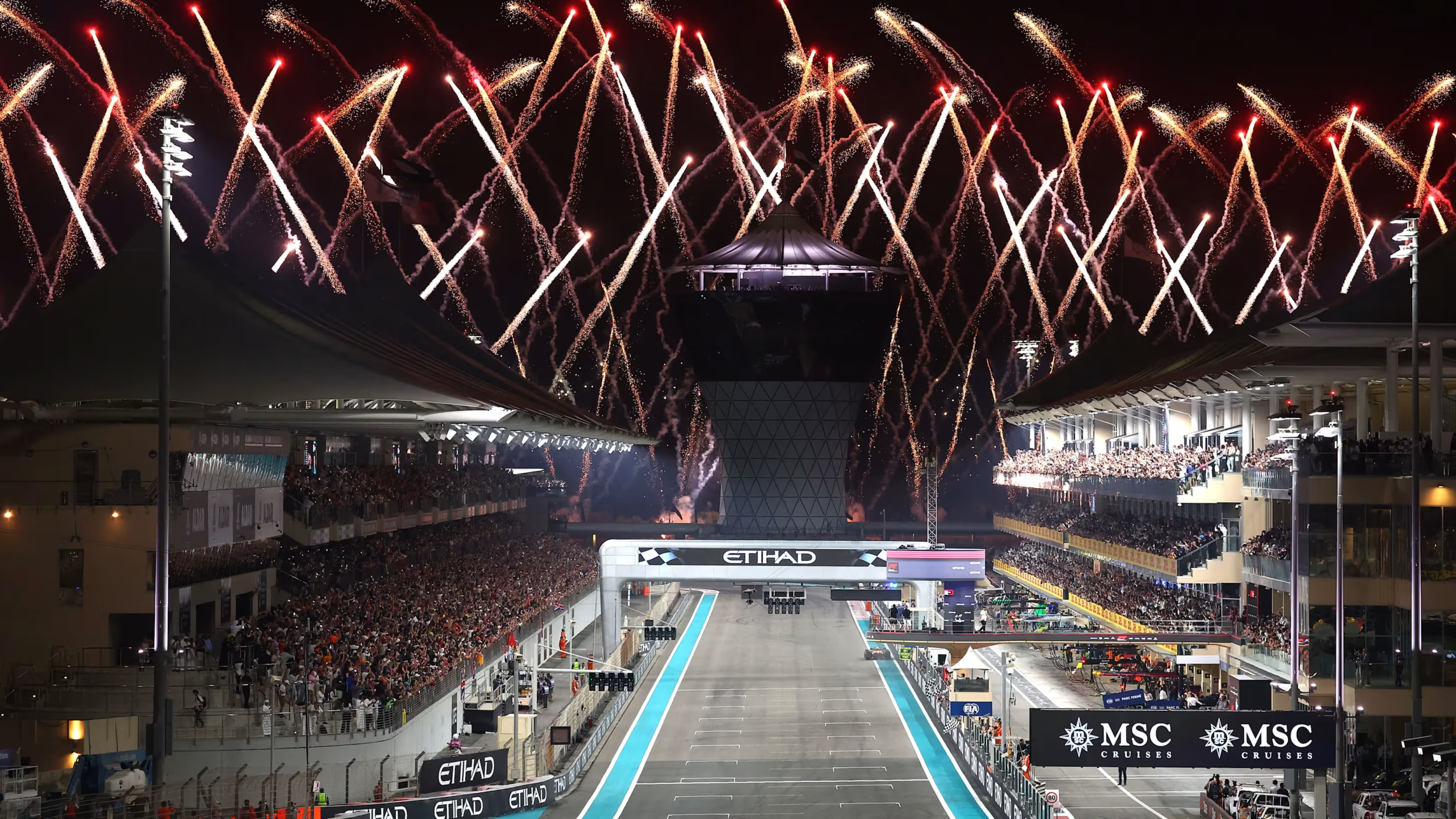
Yas Marina remains the season finale from 3–6 December 2026, with ticketing already live. Organisers position the event as a global festival weekend across circuit and island venues.
The growth base is clear. The 2025 Abu Dhabi Grand Prix set a record 203,000 weekend attendance inside the circuit, up from 192,000 in 2024. Wider Yas Island footfall reached 339,000 visitors over race weekend, underscoring the tourism halo. These data points support hospitality, retail and transport planning for 2026.
Competitive read-through from early testing
Early-year running has already stirred debate. Team principals pushed back on rumours of rule “loopholes” in the new engine era, while on-track shakedowns suggested a compressed field. Driver commentary also points to established operations adapting faster to the reset. Such signals remain provisional until competitive sessions begin.
Why 2026 matters for the UAE
A stronger finale lifts non-oil activity. Record crowds translate into hotel nights, F&B demand and event jobs across Abu Dhabi. The consistent slot as season-ender helps airlines and sponsors plan long lead activations. Specialist travel providers and F1’s own channels already market Abu Dhabi as the closing round, reinforcing the city’s brand on the world stage.
Practical notes for fans and stakeholders
Fans should track team launches, pre-season test notes, and any updates to access rules at Yas Marina. Event pages list transport, parking and hospitality options well ahead of race week. Brands can time campaigns around reveal weeks, the first fly-away rounds, and the December finale to maximise reach.
The bottom line: 2026 brings the biggest technical shift since hybrid F1 began. Teams are deep into integration work on new power units and active aero, while Abu Dhabi builds on record momentum as the sport’s closing stage. If early indicators hold, both the competitive picture and the finale weekend could reach new highs.